

Moving furniture into storage adds another layer of planning to a standard house move. Access times, truck parking and the order the load is packed can all affect how smoothly the day runs. We asked long-time storage operator Rick Mooibroek to explain the things worth organising before your removalist arrives.
Most people organise a move in two separate pieces. They book the removalist, and at some point they book a storage unit. The two arrangements get made on different days, with different people, and nobody ever really thinks about the relationship between them.
I’ve run a storage facility for more than twenty years, which means I’ve watched a great many removalist trucks pull up at a storage unit door. The difference between an unload that takes forty minutes and one that takes three hours is almost never the crew. It’s decisions the customer made a fortnight earlier, usually without realising they were decisions at all.
Here’s what’s worth sorting out in advance.
Confirm your storage before you finalise the move
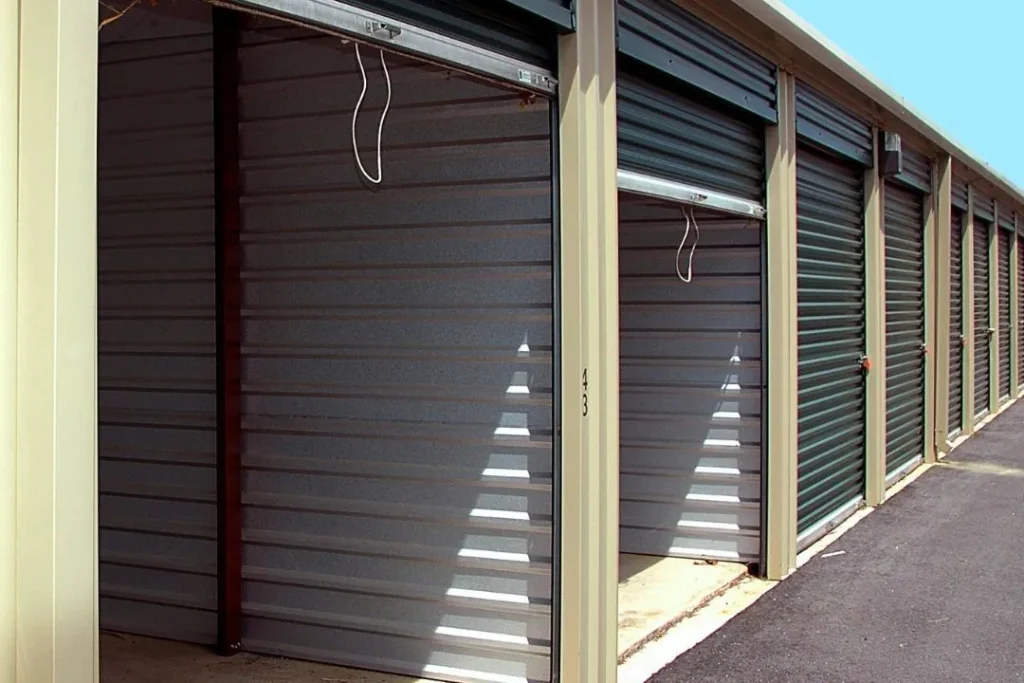
Availability is part of it. If you need a particular size on a particular weekend, you want to know that weeks out, not on the Thursday before. But the bigger reason is that you should see the unit before your belongings arrive at it.
Standing in an empty unit tells you things that a size on a website cannot: whether the door is as wide as you assumed, how far it is from where a truck can actually stop, whether there’s a step, and whether the ceiling is as high as you pictured.
Everything else on this list gets easier once you’ve stood in the space. If you’re still working out whether the move needs storage at all, and for how long, it’s worth reading our post on using storage when you’re between moves for more info before you commit to a unit size.
Size it against the load, not the room it came from
People size a unit by thinking about the rooms the furniture is currently in. It doesn’t work, because furniture in a house is spread out and furniture in a unit is stacked, but it’s also rarely as efficient as you’d hope. You lose space to the aisle you need to reach the back, to the things that can’t be stacked on, and to awkward items that won’t sit flat.
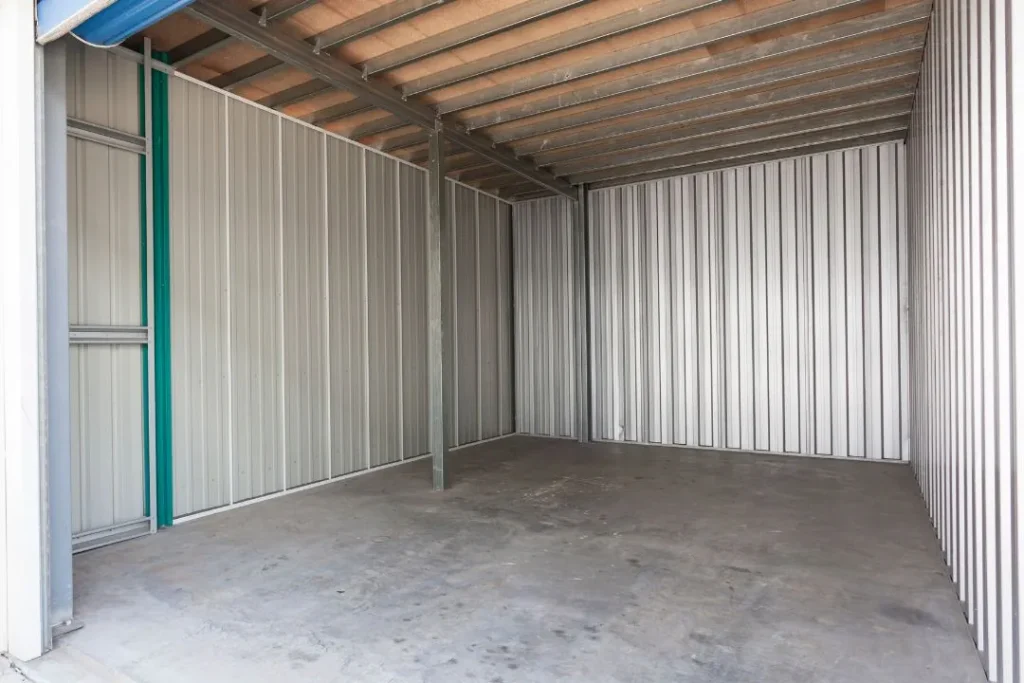
As a rough guide, the sizes we publish on our own site run from around 1.5 by 3.0 metres for a single bedroom’s worth of furniture up to around 4.0 by 3.0 metres for a whole house clear-out. Your facility will have its own guide and they’re usually reliable, because they’ve watched thousands of loads go in.
If you’re between two sizes, take the larger one. A unit that’s slightly too big costs you a bit more a month. A unit that’s too small costs you an extra trip, an extra unit, or an afternoon of repacking in a corridor while the crew waits.
Access hours are the constraint nobody checks
This is the one that catches people out most often.
A truck arriving at four in the afternoon at a facility that closes at five is a bad afternoon for everybody. Worse is arriving to find that the gate and the office keep different hours, or that weekend access works differently from weekdays.
Before the move, confirm three things: what time you can get in, what time you have to be out, and whether that’s the same on the day you’re actually moving. Then tell your removalist all three. A good crew will plan the run around it if they know, and they can’t if they don’t.
Load the truck in the reverse order you’ll want things back
This is the single most useful thing on this list and it costs nothing.
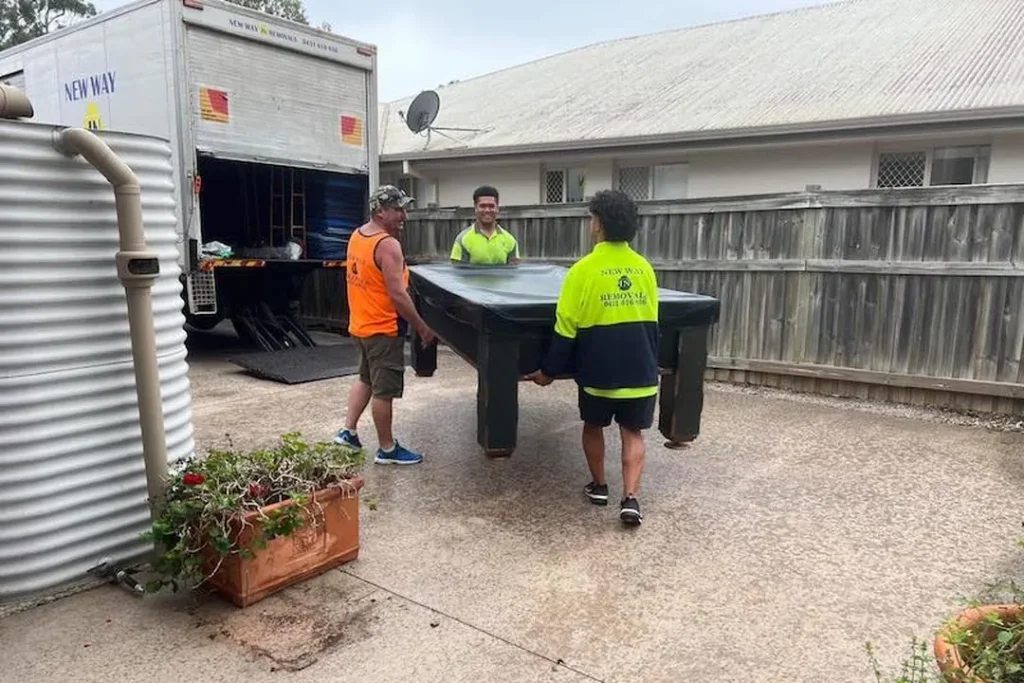
The order things go into the truck decides where they end up in the unit. First onto the truck comes off last, so it finishes nearest the door. Last on comes off first and ends up at the back.
So the question worth answering before loading isn’t what you’ll need at the other end. It’s what you’ll want to get back out of the unit before you empty it.
For most people that’s a short list: seasonal clothes, tools, documents, a bike, or the kids’ winter gear if you’re storing over summer. Those go onto the truck first so they sit at the front of the unit where you can reach them.
Everything you won’t touch until the unit comes out entirely goes on last and ends up at the back.
Get this wrong and you’ll be standing at the unit door in three months’ time, shifting half your furniture into the corridor to reach a box that could have sat a metre inside the door. I see it constantly, and it’s entirely avoidable with a little planning before the truck is loaded.
What the crew needs from you on the day
A short list, and none of it takes long.
Give the removalist the full facility address and the access instructions, including any gate code or check-in process, well before the morning of the move. Buy the padlock in advance rather than assuming you can get one on site. Make sure somebody is meeting the truck who knows which unit it is.
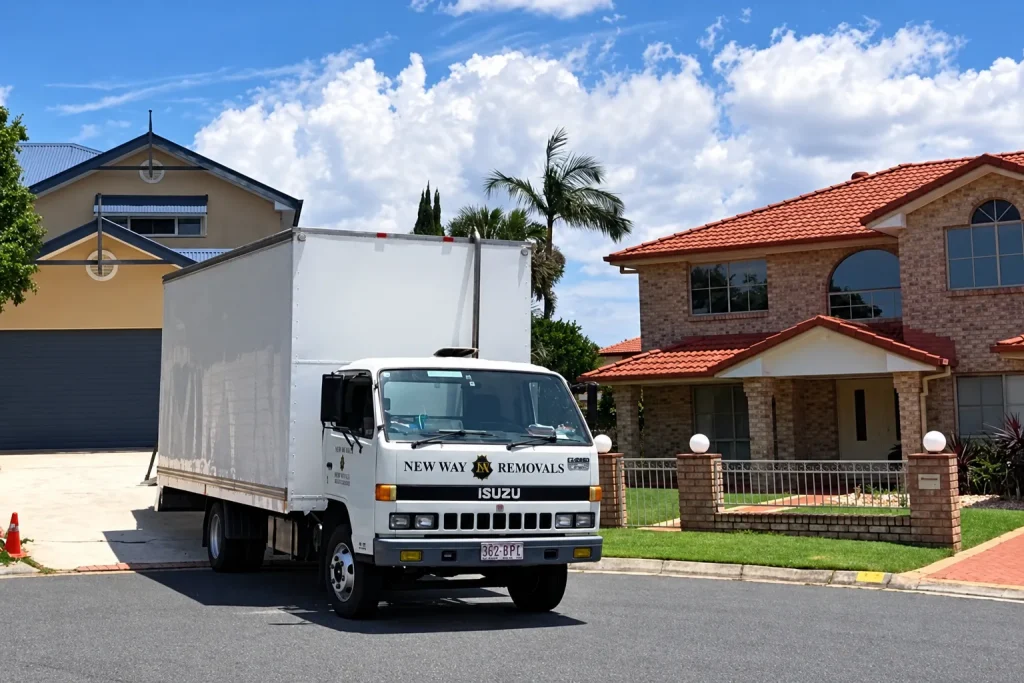
And have a clear path from where the truck can park to the unit door, which matters more than people think if the route involves a corner, a ramp, a lift or a shared corridor.
If you’re paying by the hour, every one of those is a few minutes saved.
Ask about the approach and the clearance
Two questions are worth asking any facility before you book.
Can a truck get close to the unit door, and how close? The difference between backing up to the door and carrying everything forty metres is substantial, and it’s the sort of thing that’s obvious on site and invisible online.
And if the loading area is undercover, what’s the height clearance? Removalist trucks are taller than people assume. A facility with a drive-through that takes a standard truck saves you the entire problem. One with a low entry means the truck parks outside and the crew walks further, in whatever weather the day gives you.
Neither question takes more than a phone call, and both of them shape how long the day runs.
About the author
Rick Mooibroek runs Aussie Safe Storage, a family-owned self storage facility in Pakenham, Victoria. He has more than twenty years in the industry and lives on site with his wife and co-owner Tracey, which means there is always someone on the property rather than just a camera and a call centre.
Recent Comments